
CSST (Corrugated Stainless Steel Tubing) was developed in Japan as piping for natural gas and/or propane, and as a replacement for solid metal gas piping. CSST has become popular in the USA because it is flexible and cost effective, however it can have thin walls and it is prone to puncture from electrical arcing.
Unfortunately, the United States of America receives significantly more lightning strikes than Japan. Significantly more.
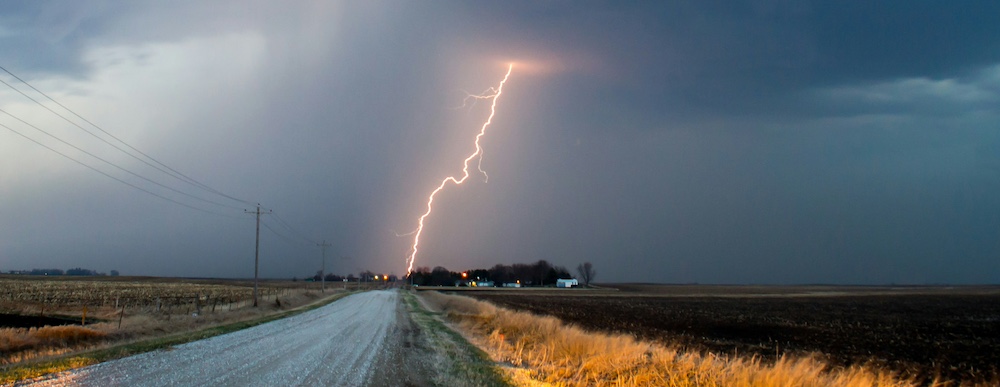
Lightning strikes and CSST are an emerging fire & explosion risk
Lightning strikes close to the structure can produce that electrical arcing that can puncture the CSST pipe, causing gas to leak and become available for ignition. The electrical arcing that causes the puncture and gas leak also generated significant heat, which can be the ignition source for fire or explosion.
NERIS (National Emergency Response Information System) is monitoring CSST ignitions as a potential emerging hazard.
NERIS Emerging Hazards capture data about risks and real-world mitigations (such as bonding and grounding for CSST) to determine what hazards are emerging, or no longer a problem.
Here is the 2022 NFIRS coding advice (e.g. an NFIRSgram) on CSST:
Sign up to hear more from Responserack on Volunteer Fire Departments, USFA NERIS and USFA NFIRS.
Responserack provides services for volunteer fire departments; member information services, incident reporting, NFIRS and so much more.